
In today’s hyper-connected world, cybersecurity is not optional—it’s a critical pillar of any organization’s business strategy. According to Cybersecurity Ventures, cybercrime damages are projected to reach $10.5 trillion annually in 2025, up from $3 trillion in 2015. Similarly, IBM’s 2020 "Cost of a Data Breach" report reveals that the average time to identify and contain a breach is 280 days, with an average cost of $3.86 million per incident.
As cyber threats evolve in complexity, traditional security measures like firewalls and antivirus software struggle to keep pace. Sophisticated attacks that also use AI, such as ransomware, Advanced Persistent Threats (APTs), and state-sponsored espionage have highlighted the urgent need for more advanced solutions.
This is where artificial intelligence (AI) transforms the game. By leveraging AI, organizations can preempt and neutralize cyber threats in real time, safeguarding their digital assets and reputations. Yet, many remain hesitant to adopt AI-driven defenses, leaving them exposed to significant risks.
There are many risks in avoiding or delaying implementing AI into an organization cyber security strategy. The main one is leaving them exposed to any cyber attack using AI. Some examples to attackers using AI meeting legacy defence tactics include:
AI cyber-attacks refer to the use of artificial intelligence technologies by cybercriminals to conduct, enhance, or automate cyber-attacks. These attacks harness the capabilities of AI to execute more sophisticated, scalable, and effective cyber threats. Here are some of the key characteristics and methods associated with AI cyber-attacks:
AI-powered cyber defence capabilities can change the field to the organization's advantage:
The ability to process massive datasets, detect threats with precision, and respond proactively makes AI a cornerstone of modern cybersecurity strategies. Organizations that fail to integrate AI risk severe financial, operational, and reputational consequences.


In the digital era, cybersecurity is no longer just about defense—it’s a strategic necessity that ensures business resilience and safeguards reputation. Traditional methods, while foundational, struggle to keep up with modern cyber threats' pace and sophistication. Artificial intelligence (AI) is revolutionizing cybersecurity by delivering intelligent, adaptive, and proactive protection against evolving dangers. By adopting AI-powered security systems, businesses gain a dynamic edge in protecting their digital assets.
Read More
In the digital era, cybersecurity challenges have grown more complex and frequent. Traditional security measures often fall short against the sophistication of modern cyber threats. Artificial intelligence (AI) has emerged as a game-changing technology that enhances detection, response, and prevention capabilities, offering organizations a proactive defense against evolving risks. This blog explores the evolving threat landscape and the critical role of AI in safeguarding digital assets
Read More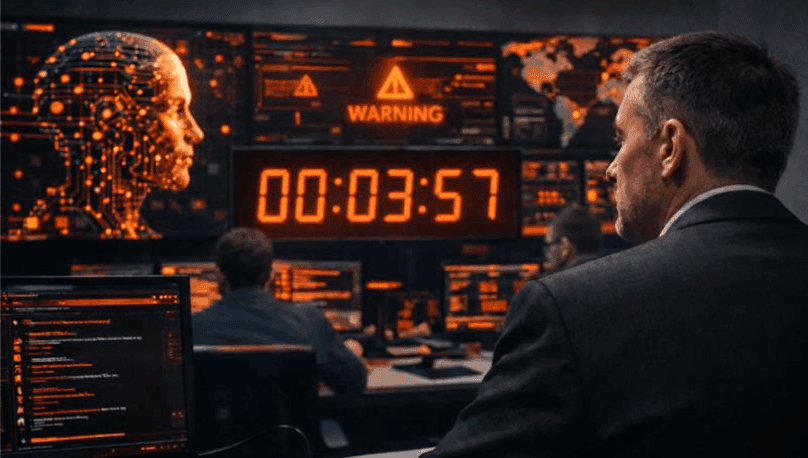
The Risk of Delaying Adoption of AI in Cybersecurity With every aspect of our lives taking place online - from grocery orders to therapist appointments - it is paramount that we are secure and resilient to cyber threats. Yet, attacks have been becoming increasingly more sophisticated, as threat actors and hackers do their best to do their worst – Be it identity theft, ransom demands, harming the ongoing operations of a business, stealing data, or other malicious activities. Effective cybersecurity is now essential for everyone, consumers and business se alike, as attackers being wily enough to orchestrate malicious campaigns that simply overwhelm traditional defense mechanisms. This means, that cyber defense systems must keep up with that level of sophistication, to say the least.
Read More